
Bladder Stones Removal Using Lithotripsy in Korea
Treatment Overview Bladder stones are hard, mineral-based deposits that form inside the bladder, often due to incomplete emptying of urine, infections, or underlying urinary conditions.

Treatment Overview Bladder stones are hard, mineral-based deposits that form inside the bladder, often due to incomplete emptying of urine, infections, or underlying urinary conditions.

Treatment Overview Bladder training is a structured, non-surgical therapy aimed at helping individuals regain control over urinary urges and improve bladder function. It is particularly
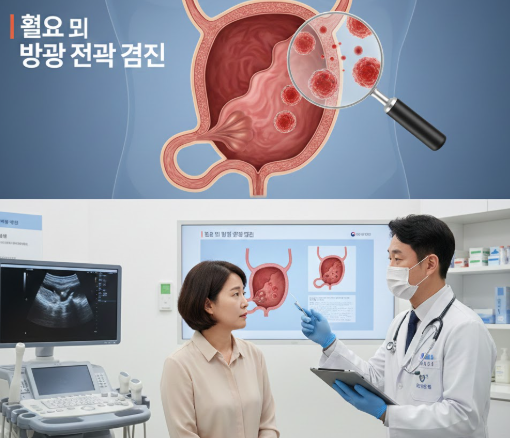
Treatment Overview Blood in the urine, or hematuria, can be a symptom of various urinary tract conditions, ranging from urinary tract infections and kidney stones

Treatment Overview Blood in urine during pregnancy, medically known as hematuria, can be a concerning symptom for expectant mothers. It may be visible (gross hematuria)

Treatment Overview Kidney stones are hard mineral and salt deposits that form in the kidneys, potentially causing severe flank pain, hematuria, and urinary tract obstruction.

Treatment Overview Botox (onabotulinumtoxinA) injections are an advanced treatment for neurogenic bladder, particularly for patients with overactive bladder or uncontrolled urinary urgency caused by nerve

Treatment Overview Benign Prostatic Hyperplasia (BPH), or enlarged prostate, is a common condition in men, especially after age 50. The condition can lead to urinary

Treatment Overview Benign Prostatic Hyperplasia (BPH), or prostate enlargement, is a common condition in men over 50, causing urinary symptoms such as weak urine flow,
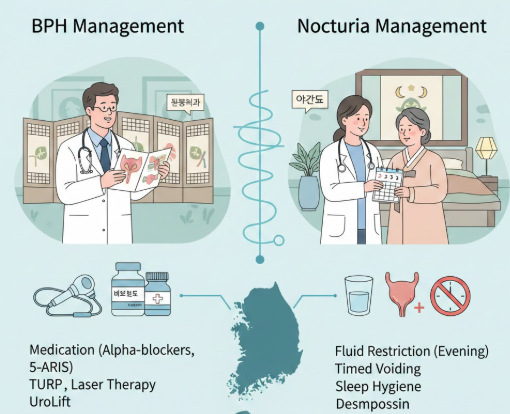
Treatment Overview Nocturia, or frequent nighttime urination, is a common symptom of Benign Prostatic Hyperplasia (BPH). It can disrupt sleep, reduce quality of life, and

Treatment Overview Benign Prostatic Hyperplasia (BPH), or prostate enlargement, is a common condition affecting men over 50, causing urinary symptoms such as weak urine flow,
Treatment Overview Bladder stones are hard, mineral-based deposits that form inside the bladder, often due to incomplete emptying of urine, infections, or underlying urinary conditions.
Treatment Overview Bladder training is a structured, non-surgical therapy aimed at helping individuals regain control over urinary urges and improve bladder function. It is particularly
Treatment Overview Blood in the urine, or hematuria, can be a symptom of various urinary tract conditions, ranging from urinary tract infections and kidney stones
Treatment Overview Blood in urine during pregnancy, medically known as hematuria, can be a concerning symptom for expectant mothers. It may be visible (gross hematuria)
Treatment Overview Kidney stones are hard mineral and salt deposits that form in the kidneys, potentially causing severe flank pain, hematuria, and urinary tract obstruction.
Treatment Overview Botox (onabotulinumtoxinA) injections are an advanced treatment for neurogenic bladder, particularly for patients with overactive bladder or uncontrolled urinary urgency caused by nerve
Treatment Overview Benign Prostatic Hyperplasia (BPH), or enlarged prostate, is a common condition in men, especially after age 50. The condition can lead to urinary
Treatment Overview Benign Prostatic Hyperplasia (BPH), or prostate enlargement, is a common condition in men over 50, causing urinary symptoms such as weak urine flow,
Treatment Overview Nocturia, or frequent nighttime urination, is a common symptom of Benign Prostatic Hyperplasia (BPH). It can disrupt sleep, reduce quality of life, and
Treatment Overview Benign Prostatic Hyperplasia (BPH), or prostate enlargement, is a common condition affecting men over 50, causing urinary symptoms such as weak urine flow,