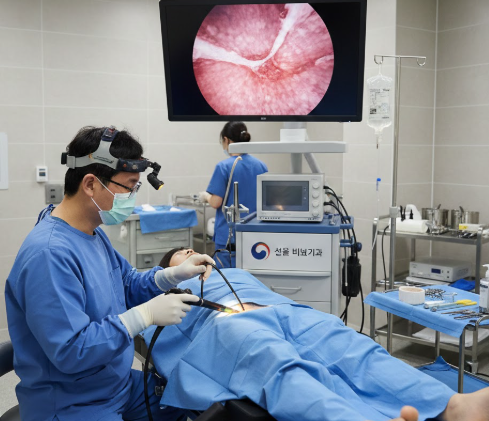
Flexible Cystoscopy Procedure in Korea
Treatment Overview Flexible cystoscopy is a minimally invasive diagnostic procedure used to examine the bladder and urethra using a bendable, thin endoscope. Unlike rigid cystoscopy,

Treatment Overview Flexible cystoscopy is a minimally invasive diagnostic procedure used to examine the bladder and urethra using a bendable, thin endoscope. Unlike rigid cystoscopy,
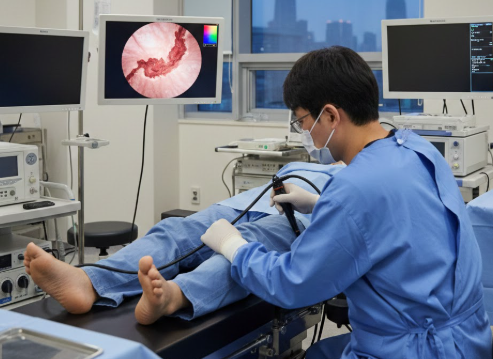
Treatment Overview Cystoscopy is a key diagnostic procedure for early detection and screening of bladder cancer. By inserting a thin, flexible or rigid scope through
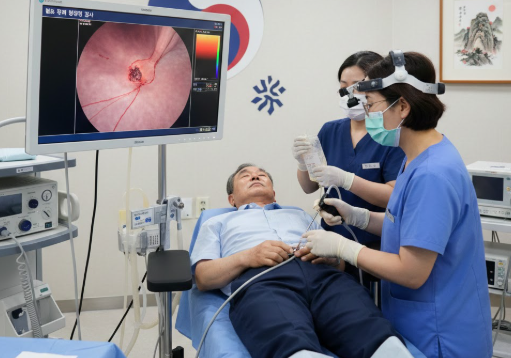
Treatment Overview Cystoscopy is a specialized procedure used to examine the bladder and urethra for the evaluation of hematuria, which is the presence of blood

Treatment Overview Cystoscopy is a specialized medical procedure used to examine the inside of the bladder and urethra for diagnostic purposes. By using a thin,
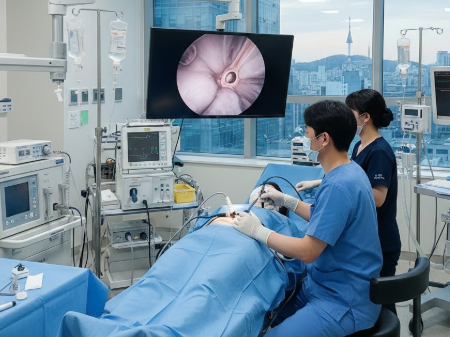
Treatment Overview Cystoscopy, commonly known as bladder endoscopy, is a minimally invasive diagnostic and treatment procedure used to examine the interior of the bladder and

Treatment Overview Neurogenic bladder is a condition caused by nerve damage affecting bladder control, leading to urinary incontinence, retention, or recurrent infections. Awareness and education

Treatment & Evaluation Overview Managing a Neurogenic Bladder often requires a combination of diagnostic work‑ups and therapeutic interventions — ranging from periodic assessments to more
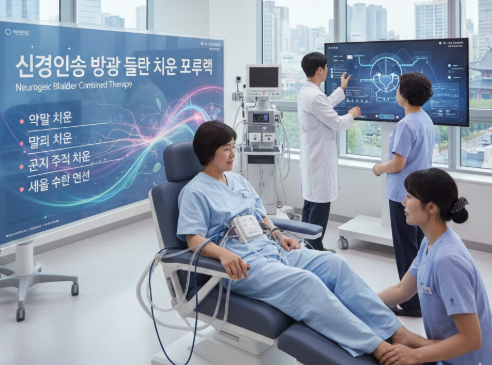
Treatment Overview Neurogenic bladder is a condition where nerve damage disrupts normal bladder function, leading to incontinence, urinary retention, or frequent infections. Combined therapy programs

Treatment Overview Neurogenic bladder is a condition where nerve damage impairs normal bladder function, leading to urinary incontinence, retention, or recurrent infections. Korea has become

Treatment Overview Neurogenic bladder is a condition where nerve damage disrupts normal bladder function, causing incontinence, urinary retention, and recurrent infections. Understanding the risk factors
Treatment Overview Flexible cystoscopy is a minimally invasive diagnostic procedure used to examine the bladder and urethra using a bendable, thin endoscope. Unlike rigid cystoscopy,
Treatment Overview Cystoscopy is a key diagnostic procedure for early detection and screening of bladder cancer. By inserting a thin, flexible or rigid scope through
Treatment Overview Cystoscopy is a specialized procedure used to examine the bladder and urethra for the evaluation of hematuria, which is the presence of blood
Treatment Overview Cystoscopy is a specialized medical procedure used to examine the inside of the bladder and urethra for diagnostic purposes. By using a thin,
Treatment Overview Cystoscopy, commonly known as bladder endoscopy, is a minimally invasive diagnostic and treatment procedure used to examine the interior of the bladder and
Treatment Overview Neurogenic bladder is a condition caused by nerve damage affecting bladder control, leading to urinary incontinence, retention, or recurrent infections. Awareness and education
Treatment & Evaluation Overview Managing a Neurogenic Bladder often requires a combination of diagnostic work‑ups and therapeutic interventions — ranging from periodic assessments to more
Treatment Overview Neurogenic bladder is a condition where nerve damage disrupts normal bladder function, leading to incontinence, urinary retention, or frequent infections. Combined therapy programs
Treatment Overview Neurogenic bladder is a condition where nerve damage impairs normal bladder function, leading to urinary incontinence, retention, or recurrent infections. Korea has become
Treatment Overview Neurogenic bladder is a condition where nerve damage disrupts normal bladder function, causing incontinence, urinary retention, and recurrent infections. Understanding the risk factors