
Neurogenic Bladder Recovery and Aftercare in Korea
Treatment Overview Recovery and aftercare are critical for patients with neurogenic bladder, whether treated conservatively, with nerve stimulation, Botox, pelvic floor therapy, or surgery. Proper

Treatment Overview Recovery and aftercare are critical for patients with neurogenic bladder, whether treated conservatively, with nerve stimulation, Botox, pelvic floor therapy, or surgery. Proper

Treatment Overview Neurogenic bladder in children is a condition where nerve damage or congenital abnormalities interfere with normal bladder function, causing incontinence, urinary retention, or

Treatment Overview Neurogenic bladder is a condition where nerve damage disrupts normal bladder function, leading to urinary incontinence, retention, or urgency. Pelvic floor therapy is

Treatment Overview Neurogenic bladder is a condition caused by nerve damage affecting bladder function, resulting in incontinence, urinary retention, or frequent urinary tract infections. Urodynamic

Treatment Overview Neurogenic bladder occurs when nerve damage disrupts normal bladder function, causing incontinence, urgency, or urinary retention. Nerve stimulation therapy, including sacral nerve stimulation

Treatment Overview Neurogenic bladder can sometimes require surgical intervention when conservative treatments, medications, or catheterization fail to provide sufficient control. Surgery aims to restore proper
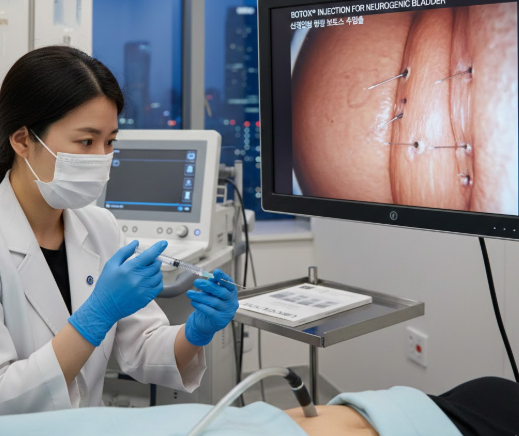
Treatment Overview Botox (onabotulinumtoxinA) injections are an advanced treatment for neurogenic bladder, particularly for patients with overactive bladder or uncontrolled urinary urgency caused by nerve
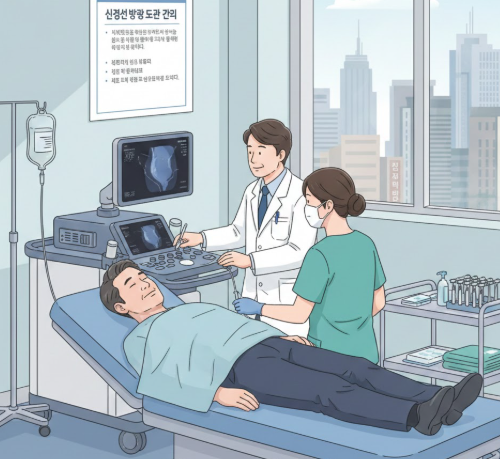
Treatment Overview Neurogenic bladder is a condition caused by nerve damage affecting bladder function, often leading to urinary retention or incontinence. Catheterization is a core

Treatment Overview Neurogenic bladder occurs when nerve damage interferes with normal bladder function, causing urinary incontinence, retention, or frequent infections. Symptoms evaluation is the first

Treatment Overview Neurogenic bladder is a condition caused by nerve damage that affects bladder control, leading to urinary incontinence, retention, or frequent urinary tract infections.
Treatment Overview Recovery and aftercare are critical for patients with neurogenic bladder, whether treated conservatively, with nerve stimulation, Botox, pelvic floor therapy, or surgery. Proper
Treatment Overview Neurogenic bladder in children is a condition where nerve damage or congenital abnormalities interfere with normal bladder function, causing incontinence, urinary retention, or
Treatment Overview Neurogenic bladder is a condition where nerve damage disrupts normal bladder function, leading to urinary incontinence, retention, or urgency. Pelvic floor therapy is
Treatment Overview Neurogenic bladder is a condition caused by nerve damage affecting bladder function, resulting in incontinence, urinary retention, or frequent urinary tract infections. Urodynamic
Treatment Overview Neurogenic bladder occurs when nerve damage disrupts normal bladder function, causing incontinence, urgency, or urinary retention. Nerve stimulation therapy, including sacral nerve stimulation
Treatment Overview Neurogenic bladder can sometimes require surgical intervention when conservative treatments, medications, or catheterization fail to provide sufficient control. Surgery aims to restore proper
Treatment Overview Botox (onabotulinumtoxinA) injections are an advanced treatment for neurogenic bladder, particularly for patients with overactive bladder or uncontrolled urinary urgency caused by nerve
Treatment Overview Neurogenic bladder is a condition caused by nerve damage affecting bladder function, often leading to urinary retention or incontinence. Catheterization is a core
Treatment Overview Neurogenic bladder occurs when nerve damage interferes with normal bladder function, causing urinary incontinence, retention, or frequent infections. Symptoms evaluation is the first
Treatment Overview Neurogenic bladder is a condition caused by nerve damage that affects bladder control, leading to urinary incontinence, retention, or frequent urinary tract infections.